How Patient Relationship Management Can Truly Boost Patient Satisfaction

In healthcare, every interaction matters. Whether it’s a kind smile at the reception desk, a thoughtful follow-up call, or a clear explanation of what comes next—these moments stick with patients. And they shape how people feel about their care. That’s why Patient Relationship Management (PRM) is becoming such a game-changer.

PRM isn’t just another system or software. It’s about building genuine, long-term relationships with the people who trust you with their health. It’s about being there—not just during an appointment, but before and after too. When done well, PRM helps patients feel supported, valued, and heard—and that’s the heart of patient satisfaction.

Let’s take a closer look at how it works, and why it matters so much.

Read More

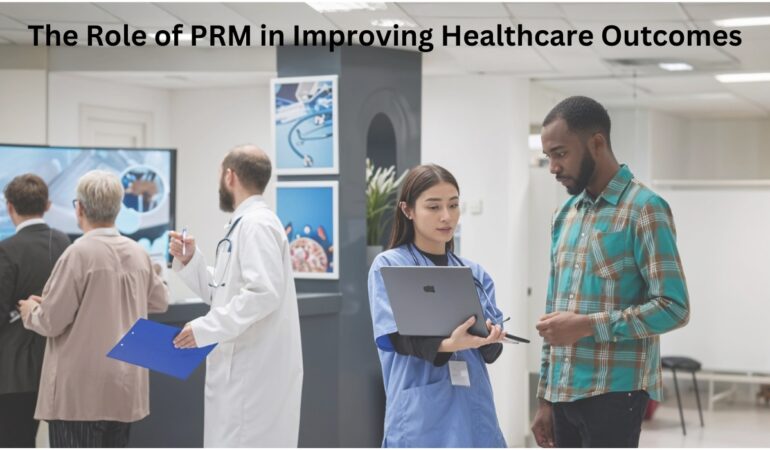
The Role of PRM in Improving Healthcare Outcomes

In healthcare, outcomes matter. But achieving better results isn’t just about more advanced treatments or high-tech equipment. It’s also about the relationships we build with patients—and that’s exactly where Patient Relationship Management (PRM) makes a difference.

PRM is more than a tool; it’s a strategy that helps providers foster trust, improve communication, and keep patients engaged. When done right, it leads to healthier individuals, happier care teams, and stronger communities.

Read More

What is Patient Relationship Management and Why Does It Matter?

In today’s fast-evolving healthcare world, one thing has become crystal clear—patients are more than just appointments or case numbers. They’re people, and like any relationship, how you treat them matters.

This is where Patient Relationship Management (PRM) comes in.

You’ve probably heard about Customer Relationship Management (CRM) in business. PRM is the healthcare version of that—but with a lot more heart. It’s all about building trust, improving communication, and creating a positive experience throughout a patient’s healthcare journey.

Let’s break it down and understand why PRM is becoming a game-changer in modern healthcare.

Read More

Building a Strong Team Culture Through Soft Skills Training

Let’s face it—no matter how talented your team is on paper, if people don’t get along or can’t communicate effectively, things can go downhill fast. That’s where soft skills come into the picture.

Soft skills training might sound like a buzzword, but they’re actually the secret sauce behind a healthy, productive, and happy team. We’re talking about things like business communication, empathy, emotional intelligence, adaptability, and problem-solving. These aren’t just “nice to have” skills—they’re essential for building a strong team culture.

So how exactly does soft skills training help? Let’s get to know more 

Read More

How to Manage Conflicts at Work Using Soft Skills

Conflict at work is inevitable. Whether it’s a disagreement over a deadline, clashing ideas in a brainstorming session, or miscommunication in emails, workplace tensions can arise in any organization. But here’s the good news: conflicts don’t have to lead to chaos. With the right soft skills, you can manage—and even prevent—conflicts effectively.

In this blog, we’ll explore how soft skills can be your secret weapon to handle workplace conflicts professionally, keeping the team spirit alive and the workflow smooth.

Read More